• 7 Day Bali Honeymoon Package with Driver – Romantic, Stress-Free & Affordable

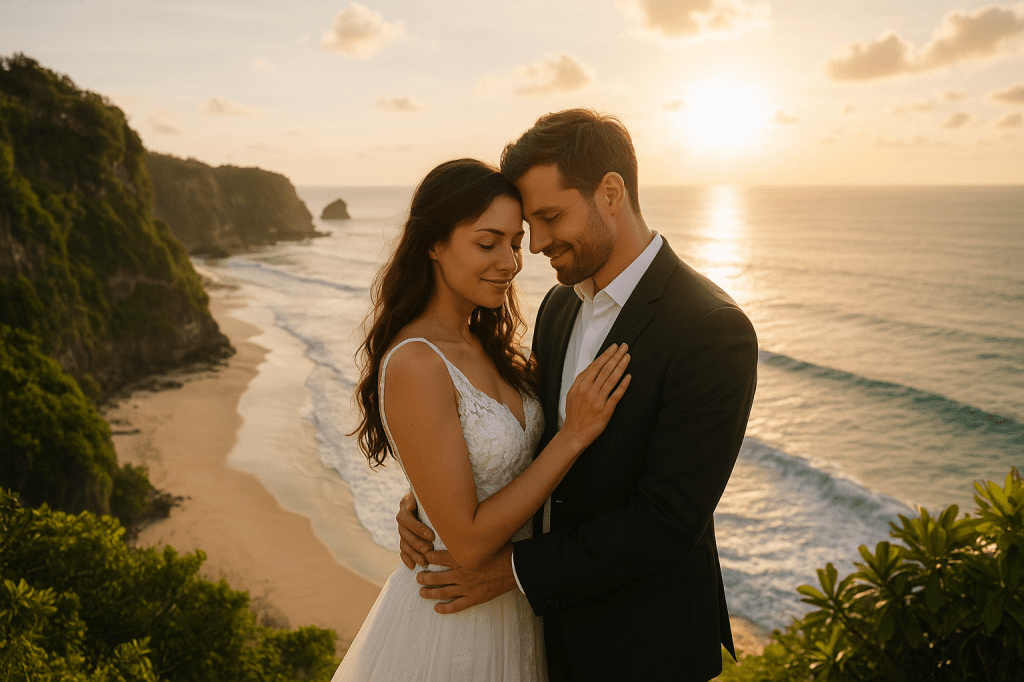
    Planning a honeymoon is supposed to be exciting, but let’s be real—it can also get overwhelming fast. Hotels, itineraries, transport, hidden costs… it’s a lot to juggle when all you want is a smooth, stress-free romantic escape. That’s why a 7 day Bali honeymoon package with driver makes such a difference. You basically get the best of both worlds: the freedom to explore at your own pace and the comfort of knowing you’ve got someone local handling the roads, traffic, and those tiny details you don’t want to stress over.

    I’ve personally tried both ways—planning every single thing on my own, and then later booking a package with a private driver. Honestly? The second option was the winner, hands down. When you’re in Bali, traffic can be intense, roads are often narrow, and GPS isn’t always reliable in the countryside. Having someone who knows the shortcuts, the culture, and the language made the trip way smoother. And when it’s your honeymoon, trust me—you don’t want to be sweating over directions when you could be sipping cocktails by the pool or watching the sun sink into the ocean.

    Read also: Bali Monkeys

    Why Choose a 7 Day Bali Honeymoon Package with Driver?

    When couples ask me whether they should rent a scooter, a car, or book a package with a driver, I always ask: “Do you want convenience or chaos?” Sure, scooters look fun and they’re cheap, but unless both of you are super confident riders, Bali’s roads can be tricky. Renting a car is another option, but then you’re dealing with left-side driving, unpredictable traffic, and parking headaches.

    With a honeymoon package that includes a private driver, you basically remove all that stress. Your driver doubles as a local guide—someone who knows not just the main tourist attractions, but also those little detours that aren’t plastered all over Instagram yet. Plus, you get insider recommendations for food, local markets, and even which temples are best to visit at certain times of day to avoid the crowds.

    According to Indonesia’s Ministry of Tourism and Creative Economy, Bali consistently ranks as the most visited destination in the country, welcoming over 4 million international visitors annually before the pandemic. That’s a lot of tourists, which means crowds and traffic are part of the deal. Having a driver helps you sidestep some of the common headaches and makes sure your honeymoon feels like a romantic retreat instead of a logistical nightmare.

    The Perfect 7-Day Bali Honeymoon Itinerary with Driver

    I’ve mapped out a sample itinerary that works well for most couples, but remember—this is just a framework. The beauty of having a driver is flexibility. You can swap places, linger longer where you love, or skip spots if you’d rather sleep in and enjoy your villa.

    Day 1 – Arrival in Bali and Check-In at Your Villa

    There’s nothing like stepping off that plane after a long flight and seeing your driver holding a sign with your names. Instant relief. Most honeymoon packages include airport pickup, which saves you from the hassle of bargaining with taxi drivers or trying to figure out ride-sharing apps at Denpasar airport.

    I always recommend booking your first two nights in Ubud. It’s calm, surrounded by rice terraces, and gives you that “honeymoon bubble” feeling away from the busier beach towns. Most drivers will happily stop along the way for dinner if you’re arriving late, and it’s not uncommon for them to know small warungs (local eateries) that serve better food than tourist restaurants.

    By the time you check into your villa—hopefully with a private pool—you’ll be ready to crash, but here’s a small tip: wake up early the next morning. Sunrise in Ubud is worth it.

    Day 2 – Ubud Adventures (Rice Terraces, Temples, and Waterfalls)

    Ubud is the cultural heartbeat of Bali. With a driver, you can cover a lot in one day without feeling rushed. Start with Tegalalang Rice Terrace, where the early morning light makes the whole valley glow. Yes, it’s touristy, but it’s iconic for a reason.

    From there, your driver can take you to Tirta Empul Temple, famous for its holy spring water. Even if you’re not religious, the cleansing ritual is an experience that feels special on a honeymoon—it’s like a symbolic “fresh start” together.

    By afternoon, head to one of the waterfalls. Tegenungan is popular and easy to access, while Tukad Cepung feels magical because the waterfall cascades through a cave-like opening. Having a driver means you don’t waste time figuring out routes between these spots.

    In the evening, ask your driver to drop you in central Ubud. You can wander the art market, catch a traditional Balinese dance show, and end the night with dinner overlooking the jungle.

    Day 3 – Day Trip to Mount Batur and Hot Springs

    This day starts early—like 3 a.m. early—if you want to hike up Mount Batur for sunrise. Most drivers will pick you up in the middle of the night and drop you at the trailhead. The hike isn’t too hard, and the reward is insane: watching the sunrise over the volcano with your partner by your side.

    Afterward, nothing feels better than soaking in the natural hot springs nearby. Your driver will take care of timing, tickets, and all the little details so you just focus on relaxing. On the way back, many drivers like to stop at coffee plantations, where you can try Bali’s famous Luwak coffee. Whether you’re a coffee fan or not, it’s fun to taste different brews while overlooking plantations.

    You’ll probably want a quiet evening back at your villa after this one.

    Day 4 – Transfer to Seminyak or Canggu

    Around the halfway point, it’s nice to shift from the mountains and jungle vibe to the coast. Your driver can take you from Ubud down to Seminyak or Canggu—both offer beach vibes but with slightly different personalities.

    • Seminyak: More upscale, luxury resorts, beach clubs, and fine dining.
    • Canggu: Trendier, more laid-back, lots of hip cafés and surf culture.

    The drive itself takes about 1.5 hours, but with a driver you can make stops along the way—maybe at Tanah Lot Temple, which is stunning at sunset. Without a driver, coordinating luggage, taxis, and sightseeing in the same day would be a pain.

    Once you settle into your coastal hotel or villa, treat yourselves to a sunset dinner on the beach. Jimbaran Bay is famous for seafood, and many drivers will wait nearby until you’re done eating.

    Day 5 – Beach Day and Exploring South Bali

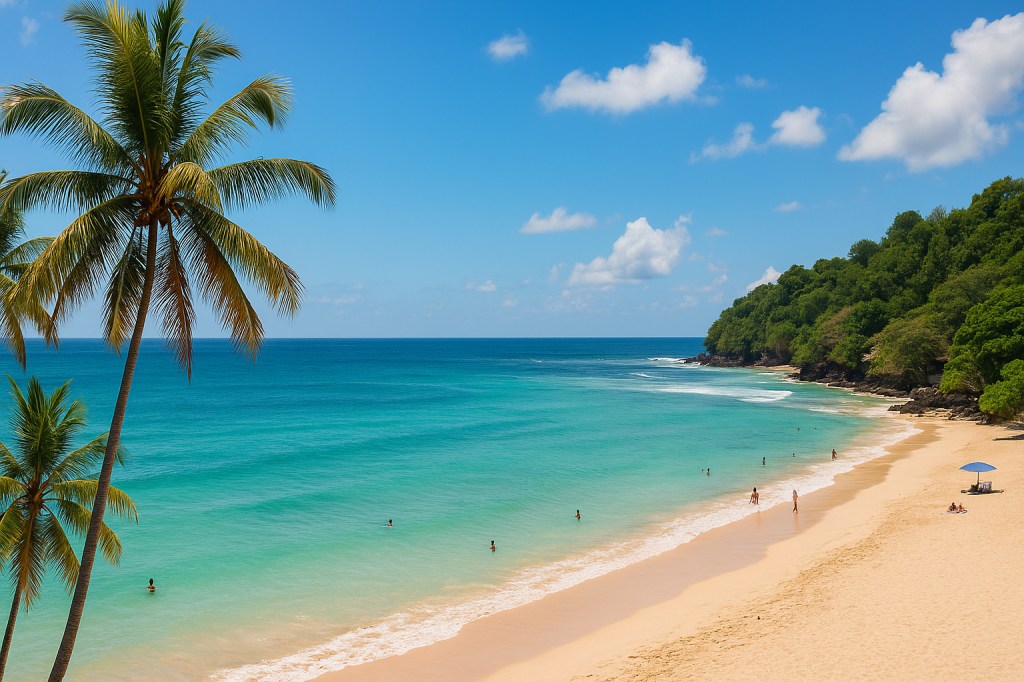
    South Bali is where you’ll find those picture-perfect beaches. With your driver, you can hit spots like Padang Padang, Bingin Beach, or Melasti Beach, depending on whether you want soft white sand, dramatic cliffs, or quiet coves.

    I remember one honeymoon couple telling me their driver actually carried a cooler in his trunk with cold water and fresh coconuts for them. That’s the kind of small touch that makes the whole experience feel extra special.

    Later, don’t miss Uluwatu Temple. It’s perched on a cliff with jaw-dropping ocean views, and at sunset they hold a traditional Kecak fire dance that’s incredibly romantic.

    Day 6 – Nusa Penida Island Day Trip

    Your driver can’t come along on this one, but they’ll coordinate everything—hotel pickup, ferry tickets, and connecting you with a local guide on the island. Nusa Penida has become famous for Kelingking Beach (the dinosaur-shaped cliff) and crystal-clear waters perfect for snorkeling.

    It’s a long day, but absolutely worth it. If you prefer something less intense, your driver can arrange a spa day instead. Balinese massages are no joke—they’re affordable, deeply relaxing, and perfect for unwinding after a week of sightseeing.

    Day 7 – Last-Minute Shopping and Departure

    On your final day, your driver will usually offer to take you to some souvenir spots before dropping you at the airport. Popular stops include Kuta Art Market, Krisna Souvenir Center, or smaller local shops for handicrafts.

    This is where that private driver really shines again—keeping your luggage safe in the car while you wander around, making sure you reach the airport on time, and even suggesting last-minute food stops if you’re craving one last satay or nasi goreng before heading home.

    Costs and What’s Included in a 7 Day Honeymoon Package

    One of the questions I get the most is: how much does this kind of package cost? Prices vary a lot depending on the level of accommodation, but here’s a general idea:

    • Budget honeymoon package: Around $700–$1,000 total for 7 days (guesthouses, basic villas, local driver).
    • Mid-range: $1,200–$2,000 (private pool villas, 4-star resorts, English-speaking driver).
    • Luxury: $3,000+ (5-star resorts, private experiences, high-end vehicle with driver).

    Most packages with a driver include:

    • Airport pickup and drop-off
    • Private driver and car with fuel
    • Daily transport to sightseeing spots
    • Accommodation (depends on package level)
    • Some meals (usually breakfasts)

    What’s not included: entrance fees to attractions, lunch/dinner, personal expenses, tips.

    From experience, I always tell couples to budget at least an extra $300–$400 for entrance fees, meals, and small splurges like massages or cocktails at a beach club.

    Tips for Getting the Most Out of Your Bali Honeymoon Package

    • Communicate clearly with your driver. Most are super friendly, but it helps if you tell them exactly what kind of vibe you want—adventure-heavy, relaxed, foodie-focused, etc.
    • Carry small cash. While major attractions take cards, small warungs, parking lots, and village shops are still cash-only.
    • Mix touristy spots with quiet ones. Sure, everyone wants photos at Tegalalang, but some of my favorite honeymoon memories came from low-key beach walks and eating satay at roadside stalls.
    • Don’t overpack the schedule. Bali traffic can eat up time. Pick 2–3 main spots a day and leave room to just enjoy being together.
    • Always have sunscreen, a hat, and a light rain jacket in the car. Bali’s weather can change in minutes.

    So, a 7 day Bali honeymoon package with driver really does tick all the boxes for couples who want romance, comfort, and just the right balance of adventure. You get the freedom to see the highlights—rice terraces, volcanoes, dreamy beaches—without spending half your honeymoon arguing with Google Maps or stressing over traffic. And honestly, having someone local who knows the island inside out makes the whole experience feel effortless.

    Every couple I’ve helped plan this type of trip has come back saying the same thing: it gave them time to focus on each other instead of the logistics. That’s what a honeymoon should be about, right? You don’t need to worry about whether you’ll miss a sunset or struggle to find a good dinner spot because your driver has already got it covered.
  • Bali Monkeys: What Nobody Tells You (Until a Monkey Steals Your Sunglasses)

    Alright, let’s talk about Bali monkeys. Yep, those cheeky little creatures you see all over Instagram—hanging out on temples, climbing on tourists, and straight-up robbing people like it’s their full-time gig. If you’re planning a trip to Bali, especially places like Ubud or Uluwatu, chances are real high you’re gonna run into them. And listen, they’re not just cute for the ‘Gram—they’re smart, fast, and they know exactly what they’re doing. I’ve been guiding folks around Bali for years, and lemme tell you, the monkeys? They run the show.

    Now before you go thinking, “Oh, how adorable!”—hold up. There’s a lot to know about these critters, and I’ve seen enough sunglasses swiped and water bottles hijacked to fill a novel. So let’s get into the nitty-gritty, all the real stuff that blogs and guidebooks tend to leave out.

    Where You’ll Meet the Monkeys in Bali

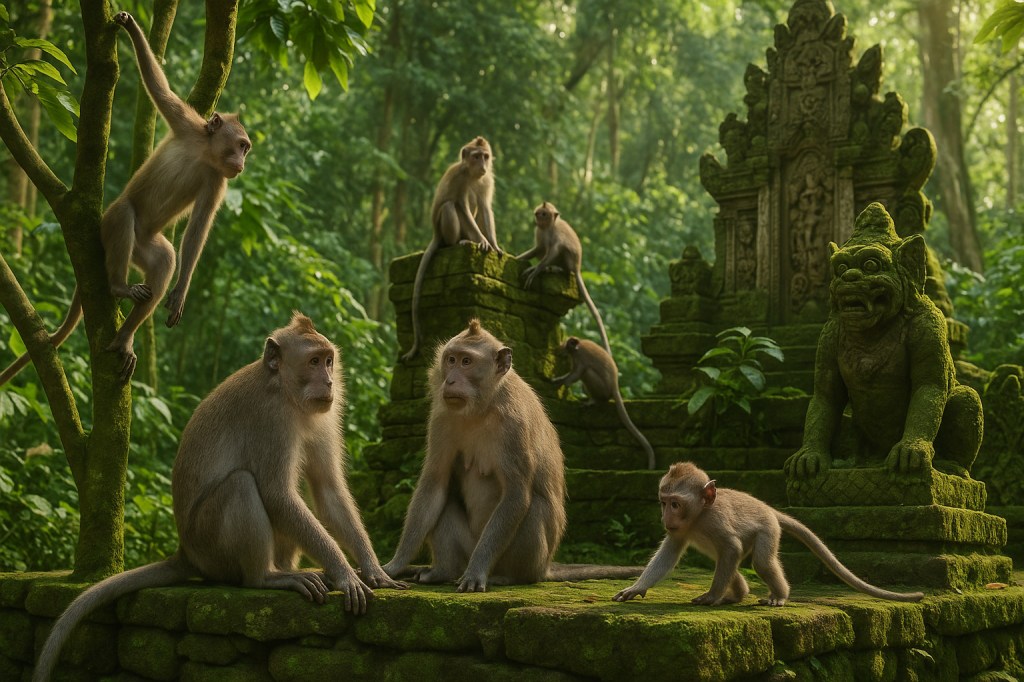
    If you’ve Googled anything about monkeys in Bali, the first name that pops up is probably the Sacred Monkey Forest Sanctuary in Ubud. Yeah, that’s the big one. You’ve also got Pura Luhur Uluwatu (up on the cliffs), Sangeh Monkey Forest, and even random roadside temples with wild troops just chillin’.

    But here’s the thing. These monkeys? They ain’t just hanging out waiting for you to say hi—they’re watching. Every. Move. You. Make.

    • You walk in with a plastic bag? Boom. Gone.
    • Holding a banana? You’re basically a walking buffet.
    • Wearing sunglasses on your head? Say goodbye, bro.

    They’ve learned that tourists = food and cool stuff. It’s like they got a sixth sense for spotting weakness. I once had a guy on a tour literally lose his vape pen out of his pocket, and a monkey ran off with it like it just won the lottery.

    Read also: Bali Weather in August

    So yeah, you’ll find monkeys at:

    • Ubud Monkey Forest – touristy, but the monkeys are pretty chill unless you’ve got food or shiny stuff.
    • Uluwatu Temple – views are stunning, but the monkeys here? Straight up gangsters.
    • Sangeh Monkey Forest – quieter, fewer people, and the monkeys here are a little less aggressive. Still, don’t let your guard down.
    • Alas Kedaton – small temple area with lots of monkeys, more relaxed than the big-name spots.

    What to Know Before You Visit a Monkey Forest

    So here’s a real talk moment. You don’t just walk into a monkey forest and expect to have a chill time. Nah, this ain’t a petting zoo. These are wild macaques, and they’ve got attitude. They’re not being aggressive for fun—it’s survival and food for them. But tourists? We kinda feed into their bad behavior. Literally.

    Don’t Bring Food. Like, Seriously.

    Yeah, yeah, everyone wants that cool selfie with a monkey on their shoulder. But bringing snacks? That’s how you start a full-blown turf war. I’ve seen a girl get surrounded by five monkeys because she had a granola bar in her backpack. They can smell that stuff through zippers. Leave the snacks in your hotel, or you’ll be the entertainment for the day.

    Also—don’t hide fruit in your bag thinking they won’t notice. They will. They’ll open bags, dig through purses, unzip backpacks. I watched one open a diaper bag once. Don’t ask.

    Hold Onto Your Stuff Like It’s Gold

    Sunglasses, phones, hats, flip-flops, even earrings—if it’s loose, it’s gone. Monkeys love shiny things and anything they can play with. And no, you probably won’t get it back.

    I had a buddy try to negotiate with a monkey once. It had his car keys. He offered it a banana, the monkey took the banana and the keys, and climbed a frangipani tree. We spent 45 minutes trying to bribe it back down with papayas. That was a Tuesday.

    Don’t Make Eye Contact

    I know it feels weird, but eye contact can come off as a challenge or threat. Especially if you’re in Uluwatu. Stare too long and that little guy might bare his teeth or jump at you. Just keep calm, be cool, and don’t try to be alpha with a monkey. You will lose.

    Monkey Behavior 101 (aka Why They’re So Dang Smart)

    These aren’t your average forest monkeys. The long-tailed macaques in Bali have learned how to interact with humans on a whole other level. In places like Uluwatu, they’ve been known to trade stolen items for food. Like, they actually hold stuff hostage until you offer something better. That’s next-level thievery, man.

    There’s a study from Udayana University that found some of these monkeys intentionally steal more valuable items, like prescription glasses or wallets, ’cause they know they’ll get a better trade. That’s wild. Literal blackmail in the jungle.

    Oh, and did I mention they teach each other? The baby monkeys watch how the older ones pull off a good heist, then start doing it themselves. It’s like a monkey crime family. Cute, but terrifying.

    Personal Stories (Because You Can’t Make This Stuff Up)

    I’ve been guiding tours around Bali for over 10 years. I’ve seen couples argue because a monkey ran off with their GoPro, kids crying ’cause their ice cream got jacked, and even one guy who tried to “shoo” a monkey and got chased halfway through the forest. True story.

    There was this one lady, American I think, she had this big floppy hat and aviators. One monkey jumped on her shoulder, she froze (which is good), but her husband panicked and tried to pull the monkey off her. Big mistake. Monkey bared its teeth, screamed (loud too), and more came running. Whole troop showed up like it was go-time. They didn’t attack, but the lady dropped her hat and sunglasses in the scuffle, and the monkeys were gone with the loot.

    Point is: if you stay calm and respect their space, you’re usually fine. Panic, and things can spiral quick.

    How to Actually Enjoy a Visit Without Losing Your Sanity

    Okay, so you’re still thinking of visiting a monkey forest, yeah? Good. Honestly, it’s still one of the most unique experiences you’ll have in Bali. Just gotta go in prepared. Here’s how to enjoy it without becoming a walking buffet or a victim of monkey theft.

    Go Early in the Morning

    Less crowds = calmer monkeys. By midday, they’re more active, hungry, and a bit more… let’s say, “mischievous.” Early hours are better for photos too.

    Hire a Local Guide

    Seriously, this one’s underrated. Guides know the monkey’s habits. They’ll tell you where to walk, how to behave, and what to avoid. Plus, if things go south, they know how to de-escalate. I’ve talked down more monkey situations than I can count.

    Don’t Bring Anything You Can’t Afford to Lose

    Like, for real. Leave your AirPods, pricey sunglasses, and Gucci bags at home. If you can’t afford to see it in a monkey’s paws—or dangling from a tree branch—don’t bring it in.

    Monkeys and Balinese Culture – It’s Deeper Than You Think

    Monkeys aren’t just cute attractions in Bali. They’ve got spiritual significance. In Hindu belief, Hanuman—the monkey god—is a symbol of strength, loyalty, and intelligence. That’s why so many temples have monkey residents. They’re seen as sacred and protected, not pests.

    That’s why you’ll notice Balinese people don’t usually interfere with them. Even when monkeys are causing chaos, locals are more likely to laugh or gently redirect them. It’s all about balance and respect. Tourists sometimes forget that, and that’s when stuff goes wrong.

    There’s also a traditional belief that if a monkey chooses you—like sits on you or follows you—it’s good luck. Just, y’know, make sure it’s not trying to jack your wallet too.

    What To Do If You’re Bitten or Scratched

    Let’s keep it real—bites can happen, especially if you try to feed them or touch the babies. And yeah, you should take it seriously.

    If you do get bit:

    • Wash the area thoroughly with soap and water.
    • Go to a nearby clinic immediately—Bali has several that deal with this stuff.
    • You might need a rabies shot, especially if your vaccination status ain’t up-to-date.

    Don’t wait. Don’t “see how it looks tomorrow.” Go. Even a small bite can be risky.

    So, Should You Skip the Monkeys Altogether?

    Nope. They’re wild, unpredictable, a little rude—but visiting Bali without seeing the monkeys is like skipping rice fields or satay. It’s part of the island’s whole vibe. Just treat it like you would any other wildlife experience. Respect it. Prepare for it. And for the love of sandals, don’t wear anything you wouldn’t want stolen by a furry little kleptomaniac.

    And hey, if you do get robbed by one? You’ll have a killer story to tell. Just maybe keep that wallet zipped, yeah?

    Monkey Forest with Kids? Here’s What You Need to Know

    Bringing your kids to see the monkeys sounds fun on paper. I get it. They’re adorable, and watching a toddler laugh at a monkey scratching its butt is peak parenting joy. But—and this is a big but—you really gotta prep the little ones beforehand.

    First off, monkeys don’t understand the concept of “it’s just a kid.” If your child’s holding food, or even a toy that looks edible (think plastic bananas or anything colorful), a monkey might go for it. And they’re not shy. I’ve seen a monkey grab a juice box right out of a toddler’s hand, pop the straw in, and sip like it owned the place.

    So here’s how to avoid a total meltdown:

    • Talk to your kids before you go. Make it a little game—“Monkey manners!”—where they learn not to scream, run, or wave things around.
    • Keep your kids close. Like, hand-holding close. The last thing you want is a toddler chasing after a monkey who just took their toy.
    • Bring distractions. Not snacks (don’t be that person), but maybe a small camera or binoculars. Something to focus on besides feeding the animals.

    Some parents bring strollers, but honestly, not all monkey forests are stroller-friendly. Ubud’s has lots of stairs and uneven paths. Baby carriers are a better bet.

    Monkey Forest Do’s and Definitely-Don’ts

    Alright, let’s break down some common behavior I’ve seen that either works like a charm—or ends with tourists surrounded by angry macaques. Just between us, there’s a right way and a very wrong way to act around Bali monkeys.

    The Do’s

    • Walk calmly. Monkeys pick up on nervous energy.
    • Keep your voice low and movements slow.
    • Let them approach you—don’t chase them for selfies.
    • If one climbs on you, stay still and relaxed. They’ll usually hop off quick.
    • Respect the forest as a temple area—it’s not just a tourist spot.

    The Don’ts

    • Don’t stare them down. It’s not a staring contest, and you will lose.
    • Don’t bring plastic bags. They know the sound and will come running.
    • Don’t try to touch the babies. Mama monkey will not be chill about that.
    • Don’t scream or run. That kicks their predator response into high gear.
    • Don’t assume your travel insurance covers “monkey-related incidents.” Check that.

    One time I had a girl try to take a selfie with a baby monkey. She crouched down, smiled, clicked—and next thing she knew, she was being swarmed by three adult monkeys. All because she got too close to the baby. She was fine, but shook up, and learned quick: cute doesn’t mean cuddly.

    What Locals Think About Tourists and Monkeys

    Okay, I gotta share this because it’s honestly hilarious (and kinda sad). I was chatting with a local guide in Sangeh, and he straight-up told me, “Foreigners think monkeys are cartoon characters. But they’re little hustlers.”

    And he’s right. Locals grow up around these animals. They know how to act. They give them space, don’t show food, and never try to touch them. They treat the monkeys with a sort of mix of reverence and healthy caution. Tourists, on the other hand? Not always.

    There’s this idea that because monkeys are in a tourist spot, they’re tame. Nope. They’re just used to humans. Doesn’t mean they’re friendly.

    And honestly? The monkeys have adapted to tourists more than the other way around. Some even wait by the entrances now because they know that’s where people fumble their stuff—dropping phones, bags, snacks. Smart little guys.

    Other Places to See Monkeys Without the Chaos

    So maybe the thought of aggressive monkeys stresses you out. Fair. Let me throw out a few quieter alternatives that still give you that wild monkey experience—without the drama.

    Sangeh Monkey Forest (North of Ubud)

    It’s smaller, surrounded by massive nutmeg trees, and way more peaceful. The monkeys here are less aggressive because the crowds are thinner, and they’re not constantly fed by tourists. It’s more chill and honestly kinda magical early in the morning. I’ve brought plenty of families here, and we rarely have any “monkey incidents.”

    Alas Kedaton (Near Tabanan)

    This one’s kind of off the radar for most tourists. The monkeys here are well-fed and relaxed, and the temple has a very old, mossy vibe that makes you feel like you’re in an Indiana Jones movie. The guides there are super helpful too, and they usually carry fruit to help distract the monkeys if things get tense.

    Mount Batukaru Region

    Sometimes, on hikes or during nature walks near this area, you might spot wild macaques in the trees. They’re not “trained” to deal with humans, so they usually keep their distance. This is more of a “watch from afar” monkey experience, and it’s kinda beautiful that way. No sunglasses getting stolen here.

    Quick Monkey Q&A (The Stuff Everyone Asks Me)

    Alright, here’s a quick-fire set of questions I’ve gotten over the years:

    Q: Can I feed them?
    A: Please don’t. Even if locals sell fruit at the entrance, the official advice is no feeding. It creates dependency and aggression.

    Q: Do they bite often?
    A: Not often, but it happens. Usually when someone tries to grab something back or gets too close to a baby.

    Q: What do I do if one climbs on me?
    A: Stay still. Don’t swat at it. Let it sniff around and hop off. If you panic, they’ll panic.

    Q: Can I bring my drone?
    A: Nah, don’t. The noise stresses them out, and some forests ban drones completely. You don’t wanna be that guy.

    Q: Are they dangerous?
    A: They can be. They’re wild animals. If you respect them and their space, you’re probably fine. But yeah, don’t mess around.

  • Bali Weather in August: What It’s Really Like, And How To Prepare For It

    So you’re planning a trip to Bali in August? Good call. The Bali weather in August is actually one of the biggest reasons I keep going back during that time of year. It’s sunny, dry, not too hot (most days), and honestly, kind of perfect for just about anything—surfing, hiking, temple-hopping, or just chilling with a Bintang on the beach. I’ll break down exactly what to expect in August based on what I’ve experienced, plus a bunch of stuff I wish someone had told me before my first time.

    Is August a Good Time to Visit Bali?

    Short answer? Yeah, absolutely. August is part of Bali’s dry season (roughly May to September), which means you’re looking at blue skies, super low humidity, and barely any rain. Most days are in that comfy range of 26°C to 30°C (78°F to 86°F). Nights cool off a bit, but it never really gets cold unless you’re up in the mountains like Munduk or Kintamani.

    If you’re anything like me and humidity wipes you out, August is your month. It’s also the middle of peak tourist season though, so beaches and restaurants can get crowded, especially around Seminyak and Uluwatu. But honestly? It never really feels overwhelming, unless you’re stuck in traffic near Canggu (which…yeah, traffic there can get wild).

    Read also: Weather in Bali in January

    What to Pack for Bali in August

    Alright, here’s where most people mess up—they think tropical = nonstop heat. But while Bali weather in August is definitely warm, it’s not sweltering, and the evenings can get breezy, especially if you’re by the coast or in Ubud.

    Here’s what I usually pack:

    • A light hoodie or long-sleeve shirt for nights
    • Loose cotton or linen clothes (tight synthetic stuff is a nightmare in the heat)
    • Flip flops and one pair of solid walking shoes
    • A sarong (you’ll need this for temples)
    • Sunscreen. Don’t count on buying it there—it’s pricey and often not reef-safe
    • A waterproof bag or dry sack if you’re doing boat trips or beach days

    Also, mosquito repellent. Even though it’s dry season, some areas (especially around rice terraces or jungles) still have those little guys buzzing around.

    Rain in August? Let’s Talk Real Numbers

    So a lot of weather sites will say it barely rains in August, and they’re not wrong. But it can happen. I’ve had the occasional surprise shower, usually in the late afternoon or evening. It rarely lasts more than 20 minutes though. We’re talking quick, warm sprinkles, not full-on monsoons.

    On average, you’re looking at 1 to 3 days of rain the whole month. Even then, it’s super localized. It might rain in Ubud but stay totally dry in Sanur. So don’t let the forecast freak you out if you see a rain icon. Odds are, it’s just a passing cloud.

    Ocean Conditions and Beaches in August

    If surfing is on your list, August is prime time. Especially on the west coast—places like Uluwatu, Padang Padang, and Canggu have some of the best swells this time of year. I’m not a pro by any means, but even as a beginner, I found some decent waves at Batu Bolong with one of the local instructors. The water is warm (around 27°C or 80°F), so no wetsuit needed.

    For swimming or snorkeling, the east side is where it’s at in August. Sanur, Amed, and Nusa Lembongan have clearer water and calmer seas. Visibility is awesome, and I actually saw manta rays during a dive trip near Nusa Penida around mid-August. Still one of the coolest experiences I’ve had.

    Beaches can get a bit crowded in the afternoons, especially around sunset. But if you get out early (like 7 or 8am), you’ll have them almost to yourself. And trust me, Bali sunrises? Totally underrated.

    August Events and Festivals Worth Checking Out

    One of the best things about being in Bali in August is all the cultural stuff happening. August 17th is Independence Day (Hari Merdeka), and it’s a whole vibe. Expect parades, red-and-white flags everywhere, and locals doing games and celebrations in the streets. It’s honestly a blast.

    Some years you’ll also catch Bali Kite Festival, usually held around Padang Galak beach in Sanur. Huge traditional kites, like 10 meters long, with entire teams flying them. It’s something else.

    If you’re into music, some beach clubs like Potato Head or Savaya might have big-name DJs playing in August. Check Instagram or local listings closer to your travel dates.

    What About the Crowds and Prices?

    Yeah, August is high season. There’s no sugar-coating it. Flights, especially from the U.S. or Europe, are gonna be more expensive, and accommodations fill up fast. If you’re looking to stay somewhere decent (not crazy luxe, but not a backpacker dorm either), book at least 2 months in advance.

    Restaurants in popular areas like Seminyak and Ubud will definitely be busy around dinner time. But I’ve never had to wait more than 15 minutes for a table. And if you eat early (like 5:30 or 6pm), you’re golden.

    On the flip side, everything’s open. Some of the smaller warungs and yoga studios actually close during the rainy season, so August means more options, more classes, more fun stuff to do.

    Best Areas to Stay in August

    If it’s your first time, I usually recommend splitting your time between two spots:

    • Seminyak or Canggu for that beach-town vibe, cafes, shopping, and nightlife. Just be ready for scooters and traffic.
    • Ubud for culture, yoga, waterfalls, and rice fields. Plus, it’s cooler up there, which feels amazing after a week by the beach.

    If you want a quieter vibe, check out Sanur (great for families or chill couples), Amed (diving and snorkeling heaven), or Sidemen (kind of like Ubud 20 years ago—lush, peaceful, super local).

    One place I stayed in August that I really loved was a guesthouse in Amed. Super basic, but right on the beach. I fell asleep to the sound of waves every night, and the sunrise view? Unreal. Paid like $35 a night.

    Health and Safety Stuff People Forget

    The weather in Bali during August might be ideal, but the sun? It’s fierce. I’m talking serious UV levels. I got burned in 20 minutes my first trip because I forgot to reapply sunscreen after a swim. Don’t be me.

    Also—hydration. You’re gonna sweat, even if it doesn’t feel super humid. Coconut water’s cheap and everywhere, but bring a reusable bottle and refill it at your hotel or cafes. Tap water’s not drinkable, by the way.

    Bali Belly (aka traveler’s diarrhea) is less common during dry season, but still possible. Stick to bottled water, and don’t eat stuff that’s been sitting out in the sun. If your stomach does go sideways, pharmacies sell Norit (activated charcoal tablets) that work pretty well.

    What Locals Say About August Weather

    Funny thing—I asked a local driver in Ubud last year if August was his favorite month. He laughed and said, “No rain means more tourists, more work. But hot! Too hot for Balinese.” So while we visitors are loving the sunshine, locals sometimes see it as the busiest and most exhausting month.

    That said, everyone I’ve talked to agrees August is the best for ceremonies, weddings, and festivals. The dry conditions make it easier to plan outdoor events, and the skies are usually crystal clear.

    Activities That Are Better in August

    There are a few things that just hit different in August:

    1. Hiking Mount Batur at sunrise is a must-do. The skies are clearest in August, so you get killer views. But it does mean waking up at like 2am. Totally worth it.
    2. Snorkeling in Nusa Lembongan or Amed – the visibility is insane this time of year. And the ocean’s super calm. You can even take a glass-bottom boat if you’re not a strong swimmer.
    3. Uluwatu Temple at sunset – yeah, it’s touristy, but those golden cliffs and the Kecak dance with the ocean behind it? Next-level.
    4. Beach bonfires in Lovina – it’s not as flashy as Seminyak, but way more chill. Locals sometimes play acoustic guitar, and you can grab grilled corn and fresh fish right on the beach.

    Not-So-Great Things About Bali Weather in August

    Alright, so it’s not all sunshine and rainbows (well, it mostly is). Here’s what to watch out for:

    • Dry skin and lips – with lower humidity, you might notice your skin drying out, especially if you’re in the sun a lot or swimming daily.
    • Dusty roads – especially on the back roads in Uluwatu or Canggu. If you’re riding a scooter, wear sunglasses or a buff.
    • Busy airport – Ngurah Rai (DPS) gets slammed in August. I’ve stood in immigration lines for over an hour. If you can swing it, pay for a fast-track service or get there early.

    Honestly though, these are tiny trade-offs for what you get.

    Random Advice I Wish I Knew My First Trip

    First time I went to Bali in August, I stayed only in Seminyak and didn’t realize how different other parts of the island are. Like, Amed feels like another country compared to Kuta. Make time to explore a few different zones if you can. It’s easy to get around with a driver or scooter (just drive safe—the roads aren’t for the faint of heart).

    Book your fast boat tickets ahead of time if you’re heading to Nusa Penida or the Gilis. August is nuts for those routes, and they fill up quick.

    And one last thing: take it slow. The Bali pace of life is chill for a reason. Don’t cram your itinerary. Let the weather, the people, the beach naps—let it all sink in.

  • What’s the Weather in Bali in January Really Like? (Spoiler: It’s Hot, Wet, and Still Worth It)

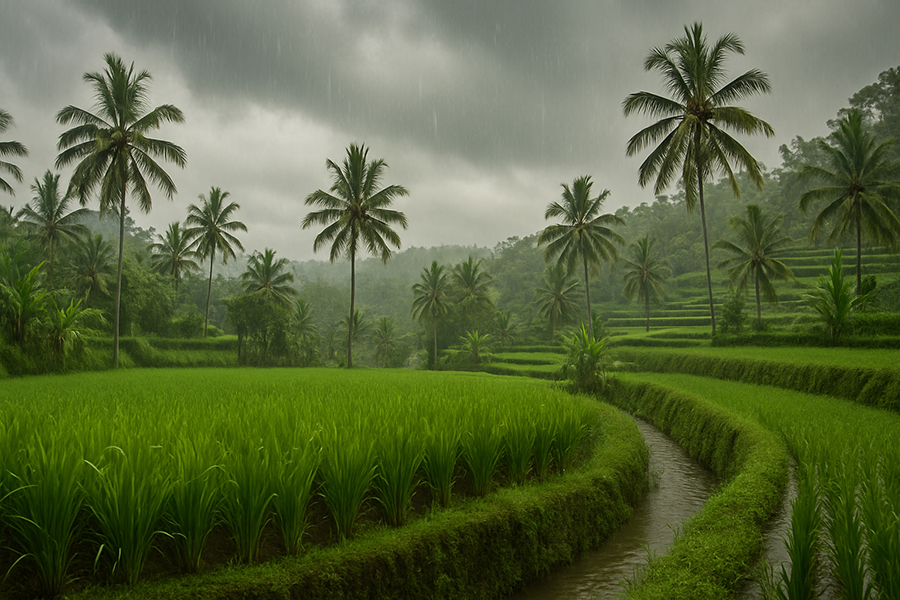
    So let’s just hit it straight off the bat—if you’re googling “weather in Bali in January,” you’re probably trying to figure out if it’s a dumb idea to plan a trip then. I get it. January’s smack in the middle of Bali’s wet season. That means yes, it rains. Like… a lot sometimes. But don’t let that scare you off just yet.

    I’ve been to Bali three times in January (I know, I know…who plans a tropical getaway during monsoon season? Me. I do.), and lemme tell you—while it’s not sunshine 24/7, it’s not non-stop downpour either. You’ll get these sudden afternoon rain bursts that just absolutely drench everything in sight, but they usually last like 30 minutes to an hour. Then it clears up and gets all humid and sticky again. So yeah, your hair might be in a constant state of “meh,” but it’s not like you’re dealing with hurricane-level stuff.

    The average temperature in January? It hovers around 26°C to 30°C (78°F to 86°F). Nights stay warm too, so forget jackets. And the ocean’s still like bathwater—about 28°C (82°F), so swimming’s definitely still on the table.

    Don’t cancel your trip—just plan it smarter

    Alright, so if you’re still thinking of Bali in January, here’s the deal: you just gotta adjust your expectations. It’s not going to be postcard-perfect every single day. But it is lush. The island’s ridiculously green, the waterfalls are going full blast, and the rice paddies? Absolute movie scenes.

    One thing I always tell friends: plan your outdoor stuff for the mornings. It’s usually clear-ish then, or at least you’ve got better odds. Afternoons are when the rain likes to crash the party. Like, if you’re planning a trek up Mount Batur, book the sunrise hike. Yeah, it’s a 2 AM wake-up, but you’ll avoid the heat and dodge the worst of the downpours. Totally worth it.

    And if you get caught in a sudden tropical storm (which you will), just duck into a café or spa. Balinese massages during a thunderstorm? 10/10, highly recommend.

    Things that kinda suck… but you can work around ’em

    Okay, let’s be real—some stuff is annoying about Bali in January. Roads flood. Not always, but when it happens, it happens fast. Especially in spots like Seminyak or Canggu where the drainage is… let’s just say “a work in progress.” If you’re riding a scooter, which 90% of folks do, prepare to get soggy. I usually carry a cheap rain poncho in my backpack and wear flip-flops—wet sneakers are straight-up misery.

    Also, the humidity. Oh man. If you’re not used to it, you’ll feel like you’re in a steamy bathroom all day. Makeup? Forget it. It’ll slide right off your face. I pretty much live in linen shirts and avoid anything that sticks. And drink so much water. I didn’t my first trip and got wrecked by dehydration halfway through a temple tour. Not cute.

    Some beaches get kinda rough too. Not everywhere, but especially the southern ones. If you’re a surfer, this could be a good thing or a bad thing depending on your level. I’ve seen beginners get tossed around like socks in a washing machine at Echo Beach in January.

    But here’s the good stuff people don’t talk about

    Now, lemme tell you the flip side of the rainy coin. First off—crowds? Way thinner than peak season (like July or August). You can actually find a beach spot without playing towel Tetris. And hotels? Mad deals everywhere. I once snagged a beachfront bungalow in Sanur for literally half the price I paid in September. Same place, same room, same dreamy view. Just more puddles outside.

    Also, the island just feels more chill. Locals aren’t as rushed, there’s space at restaurants, and you don’t need to book everything like a week in advance. Even the monkeys at Ubud’s Sacred Monkey Forest seem less aggressive—maybe it’s the rain? Who knows.

    Another perk: waterfalls are insane in January. Like, properly roaring. Tegenungan, Gitgit, Sekumpul—they’re all way more impressive with all that rainwater fueling them. You might get wet on the way there, but you’re getting wet anyway, right?

    Stuff to pack if you’re heading to Bali in January (and wanna be prepared, not paranoid)

    Don’t go overboard, but a few things can really save your butt in the rainy season:

    • Lightweight rain jacket or poncho. Not the big bulky kind—just something you can scrunch up and keep in your bag.
    • Waterproof bags or covers. I learned the hard way when my camera bag got soaked in Uluwatu. Not fun.
    • Flip-flops or sandals with grip. Streets get slick and muddy. Also, nobody wants to peel off soggy socks.
    • Mosquito repellent. All that rain means more standing water, which means… yep, mozzies. Bring the good stuff with DEET. The local sprays are fine, but I swear by my own stash from home.
    • Quick-dry clothes. Wet jeans are not it. I bring a bunch of linen and light cotton stuff that dries fast.
    • Reusable water bottle. You’ll be drinking a lot more than usual, especially if you’re sweating bullets 24/7.

    And honestly? Toss in a good book or two. Sometimes it pours all day and you just end up lounging with a cold drink and a paperback. Not the worst way to spend a vacation day.

    Best places to base yourself in Bali during January

    So you’re thinking, “Alright, I’m down for some wet season vibes—where should I stay?”

    Here’s my two cents after doing the January thing a few times:

    1. Ubud – Gorgeous during this time. It’s already jungle-y, so a bit of rain just adds to the whole magical, misty atmosphere. Lots of cozy cafes, yoga studios, and indoor stuff. Plus, if you’re into traditional culture, ceremonies still go strong even in the rain.
    2. Sanur – Way more chill than Kuta or Seminyak. Great for couples or families. And because it’s on the east coast, sometimes it misses the worst of the late-day storms. Beaches are calmer too.
    3. Canggu – Still buzzing, but way more relaxed than peak months. Some flooding issues, yeah, but there’s enough good food and fun spots to ride it out. The cafes here are next level, especially if you’re into vegan bowls and strong coffee.

    Avoid highland areas like Munduk if you hate getting rained on all day. Beautiful, yeah, but foggy and wet AF in January. You might end up just watching clouds roll by from a soggy window.

    What about flights and visas and all that practical jazz?

    Flights to Bali in January tend to be cheaper—no surprise there. It’s not a major holiday period unless you’re dealing with Chinese New Year, which sometimes sneaks into late January. That’s when things get busy again, so try to avoid that week if you’re looking for peace and quiet.

    Visa-wise, most folks can just get the visa-on-arrival (VOA) when they land. Costs about 500,000 IDR (roughly $35 USD) and it gives you 30 days. Super easy process at the airport.

    One thing that’s key during the rainy season? Travel insurance. I don’t always get it for shorter trips, but for January Bali trips, I always do. Between the scooter slips, weather delays, and the occasional stomach bug (we’ve all been there), it’s just smart.

    Oh, and airport pickups—book one in advance. The rain sometimes messes with traffic in Denpasar, and it’s a nightmare trying to haggle with soaked taxi drivers after a long-haul flight.

    So, is January worth it or nah?

    Honestly? Yeah. If you’re not obsessed with having perfect beach weather 24/7 and can deal with a few soggy shoes, January in Bali is still a solid move.

    It’s cheaper, less crowded, greener than ever, and you get a bit of that “off-season insider” vibe. You’ll meet more long-term travelers, digital nomads, and folks who are in it for more than just a tan. And that means better convos at the bar, cooler yoga classes, and less competition for the best Nasi Goreng in town.

    Related FAQs I get asked all the time (and my no-fluff answers)

    Q: Does it rain all day every day in Bali in January?
    Not really. It rains almost every day, but usually just a few hours—mostly in the afternoon or evening. Some days are totally sunny. It’s unpredictable but not miserable.

    Q: Can I still go to the beach?
    Absolutely. Just be ready for bigger waves and occasional beach cleanups after storms. Sanur and Nusa Dua are more sheltered if you want calmer water.

    Q: Are the temples still open?
    Yep. Rain or shine. Just bring an umbrella or rent one from the little shops outside. And yeah, you’ll still need to wear a sarong even if you’re soaked.

    Q: What about scuba diving or snorkeling in January?
    Totally doable, especially around Nusa Lembongan or Amed. Just keep an eye on visibility—it’s not always perfect after heavy rains, but it can still be solid.

    Q: Is Bali safe during the rainy season?
    Yes, but use common sense. Watch out for slick roads, take it easy on the scooter, and maybe skip the big hikes if there’s a downpour brewing.

Design a site like this with WordPress.com
Get started